Petra Carter · 21 September 2026
Polish Curriculum Reforms Strengthen International Academic Partnerships
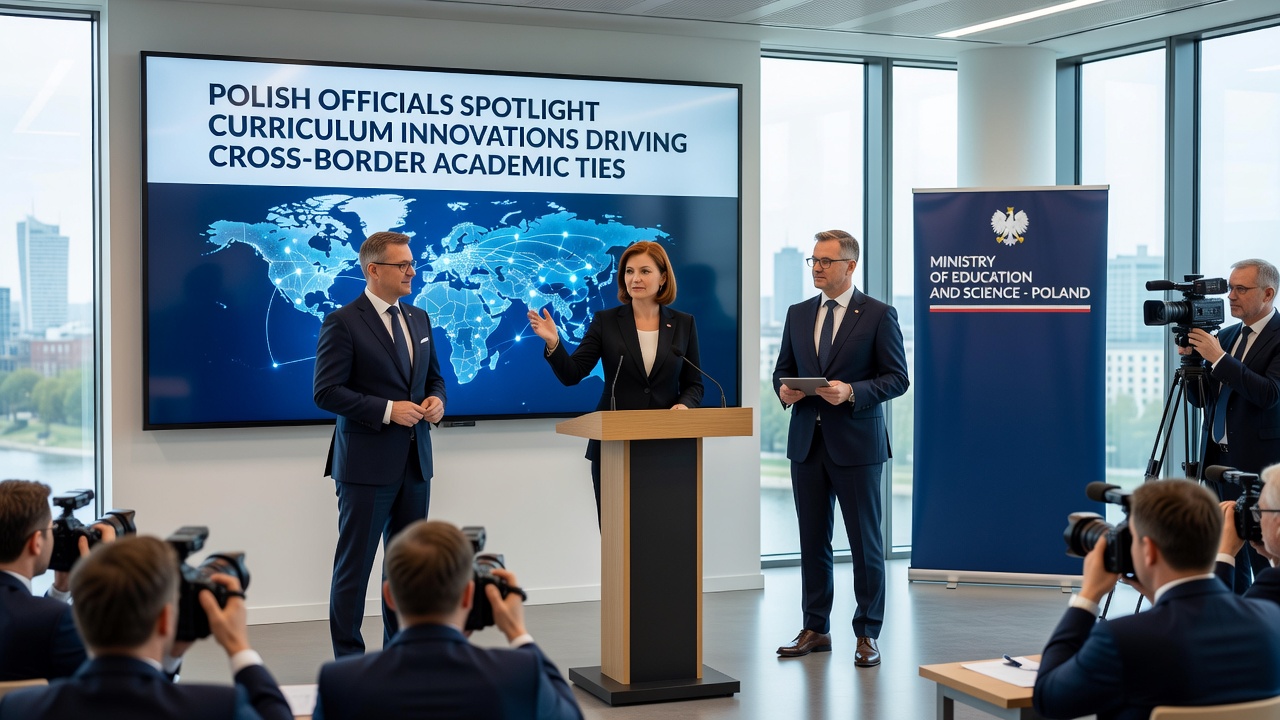
Polish education authorities have drawn attention to recent curriculum updates designed to expand academic connections with institutions across Europe and beyond and data from the European Commission shows increased participation in joint degree programs since 2023. Officials from the Ministry of Education and Science presented these changes during a series of briefings that highlighted modular course structures, shared research tracks, and language integration initiatives while September 2026 has been set as the target date for full rollout of several pilot exchanges involving universities in Germany, France, and the Netherlands.
Key Elements of the Updated Curricula
Revisions focus on interdisciplinary modules that allow students to complete portions of their studies at partner institutions without interrupting their primary degree timelines and researchers at the OECD have documented similar patterns in other member states where such flexibility correlates with higher mobility rates. Polish universities now incorporate credit recognition frameworks aligned with the Bologna Process, which reduces administrative barriers and enables smoother transitions between national systems. Faculty members receive training in cross-cultural pedagogy so that course content reflects both local requirements and international standards.
Technology Integration and Collaborative Tools
Digital platforms support real-time collaboration on research projects and shared virtual laboratories connect students in Warsaw with peers in Stockholm or Madrid and figures from the Polish National Agency for Academic Exchange indicate a 28 percent rise in co-authored publications over the past two academic years. These tools also facilitate joint assessments where instructors from multiple countries evaluate student work, creating consistent benchmarks across borders.
One program at a technical university in Kraków pairs engineering students with counterparts at a Belgian institution to develop sustainable infrastructure solutions and participants complete fieldwork in both locations while maintaining a single academic record. Such arrangements rely on standardized evaluation rubrics that satisfy accreditation bodies in each participating country.
Regional and Institutional Responses
Regional governments in southern Poland have allocated additional funding to support language preparation courses that prepare students for study periods abroad and ministry reports note that enrollment in these courses doubled between 2024 and 2025. University administrators report that incoming exchange students now encounter curricula designed to accommodate varying prior knowledge levels, which helps maintain academic progress regardless of national background.
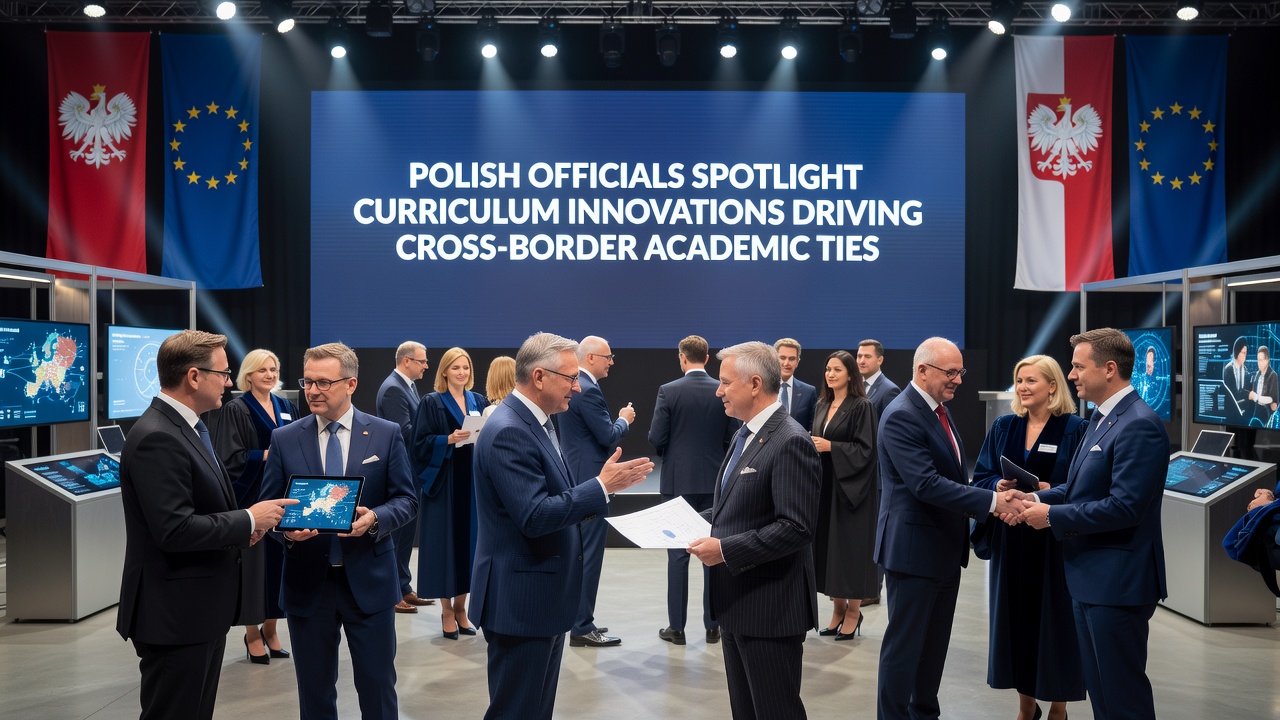
Observers note that partnerships extend beyond the European Union, with initial agreements signed with universities in Canada and Australia that emphasize reciprocal faculty visits and co-supervised doctoral research. These arrangements build on existing frameworks established by the European Higher Education Area while adding provisions for remote supervision during periods when travel is restricted.
Implementation Timeline and Monitoring
September 2026 marks the start of mandatory reporting requirements for institutions participating in the new exchange tracks and ministry guidelines require annual reviews that track completion rates, credit transfer success, and post-graduation employment outcomes. Independent evaluators from academic consortia will conduct site visits to verify compliance with quality standards.
Data collected through these reviews will feed into updates for subsequent curriculum cycles, allowing adjustments based on measurable results rather than assumptions. Polish officials have also established a dedicated liaison office to coordinate with foreign ministries of education, which streamlines approval processes for new joint programs.
Conclusion
The curriculum innovations highlighted by Polish authorities continue to evolve through ongoing dialogue with international partners and the scheduled milestones in 2026 will provide the first comprehensive dataset on their effectiveness. Institutions across multiple countries now share best practices derived from these reforms, contributing to broader efforts that align higher education systems while preserving distinct national strengths.