Parker Frank · 7 September 2026
Polish Accolades Inspire Transnational History Initiatives and Ethics Program Revisions
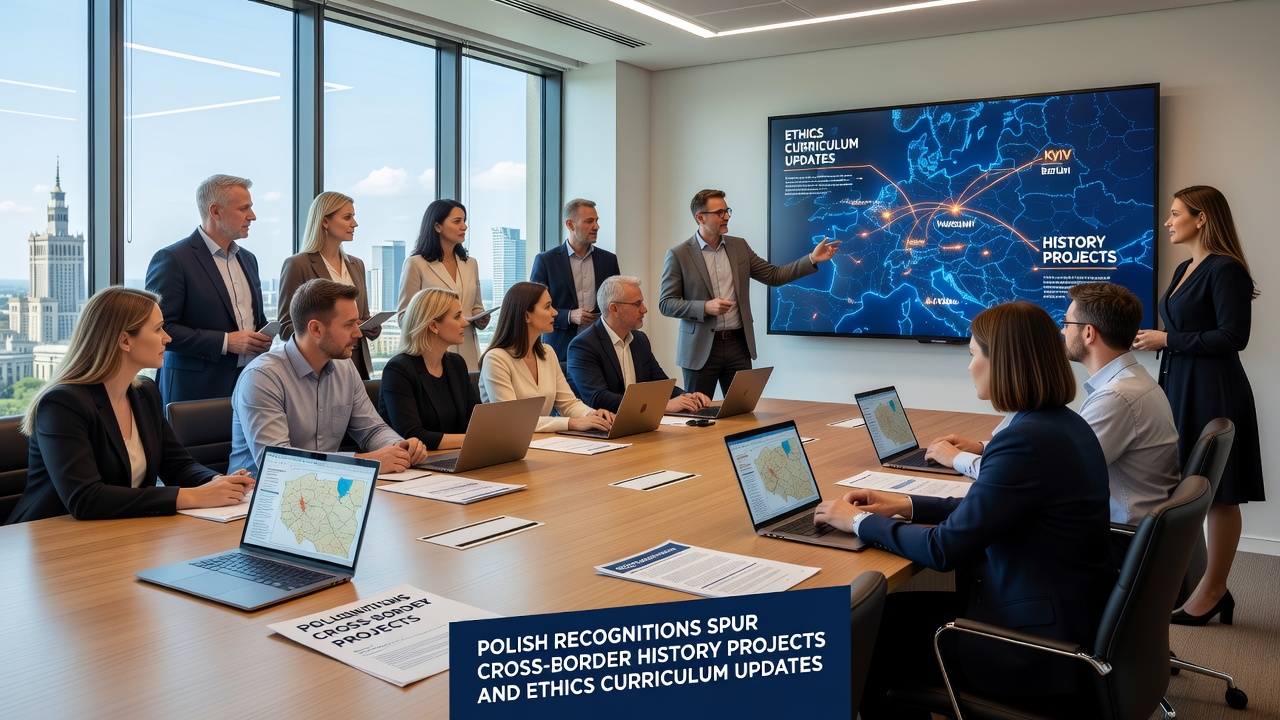
Polish academic institutions have recently extended formal recognitions to scholars engaged in 20th-century European studies, and these honors have triggered a series of cross-border history projects that connect researchers from multiple countries while prompting targeted updates to ethics curricula at participating universities.
According to data released by the Polish Ministry of Education and Science, fifteen separate awards went to historians and educators in the first half of 2025, each citation emphasizing collaborative methodologies that cross national boundaries. These recognitions coincide with renewed funding streams from the European Commission education programs, which have allocated resources for joint archives access and digital mapping of wartime migration routes.
Cross-Border Project Launches
One initiative pairs Polish teams with counterparts in Germany and Lithuania to reconstruct personal narratives from displaced communities between 1939 and 1950, and project leads report that shared digital platforms now host over 4,200 scanned documents previously held in separate national collections. Researchers at Vilnius University and the University of Wrocław coordinate weekly virtual sessions, while field teams conduct parallel site visits in former border regions. Observers note that such arrangements reduce duplication of effort and allow real-time verification of oral histories against archival records.
Another venture involves Canadian and Polish institutions focused on ethics in public commemoration, and preliminary reports indicate that joint working groups have already produced draft guidelines for museums handling contested artifacts. These guidelines draw on case studies from both countries and incorporate feedback loops that permit ongoing revision as new evidence surfaces.
What's interesting is how the original Polish recognitions explicitly cited ethical frameworks for historical interpretation, which has accelerated curriculum reviews at several partner universities. In September 2026 a scheduled conference in Kraków will present the first consolidated findings from these projects, including sample modules that integrate primary source analysis with explicit discussion of researcher positionality.
Curriculum Adjustments in Ethics Education
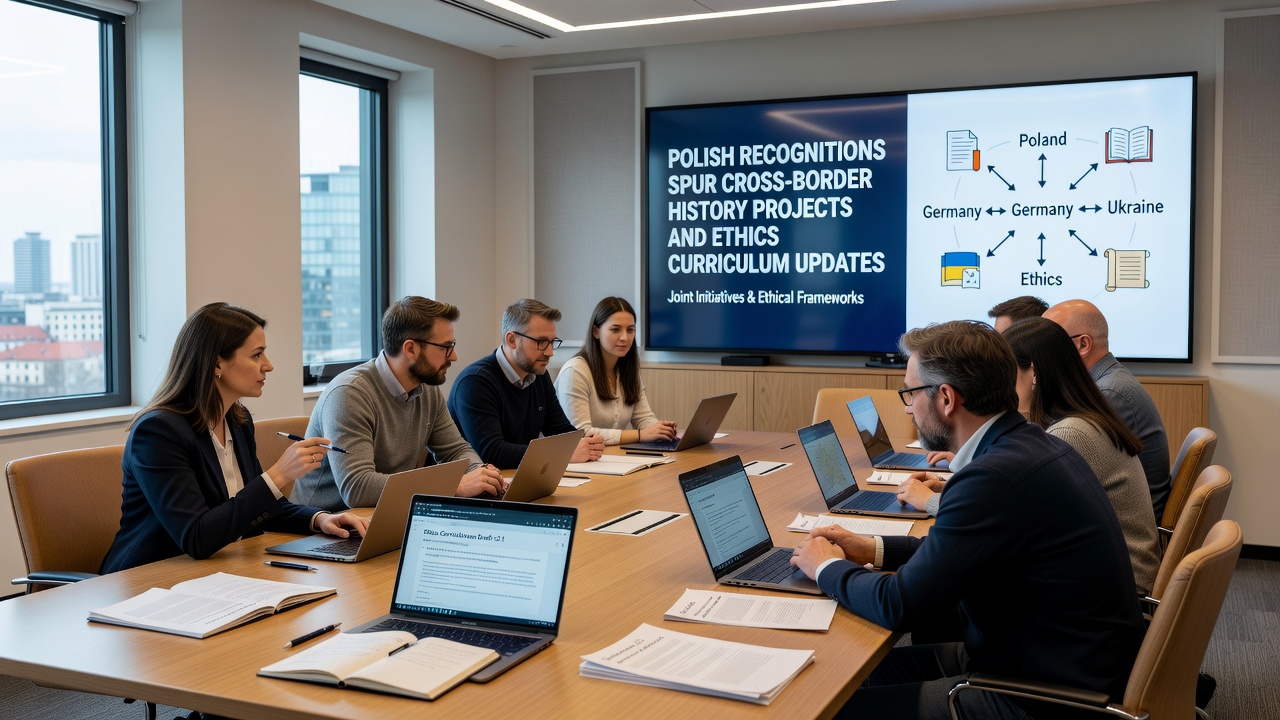
Universities in Poland, the Netherlands, and Australia have begun embedding new ethics modules into undergraduate history programs, and these modules require students to evaluate the implications of data sharing across jurisdictions. Figures from the European Higher Education Area show that at least twelve institutions have updated course catalogs for the 2026 academic year to include required readings on consent protocols for oral history interviews conducted in multinational settings.
Training materials now reference standards developed by the International Council on Archives alongside country-specific regulations, which helps students understand how differing legal regimes affect access to records. Instructors report that case-based exercises prompt participants to compare Polish data-protection rules with those applied in non-EU partner countries, revealing practical differences in consent documentation and retention periods.
Additional workshops scheduled for late 2025 will train faculty on facilitating classroom discussions that address power imbalances in collaborative research, and organizers plan to circulate open-access resources following the Kraków conference. These resources include annotated bibliographies and sample assessment rubrics that align with the revised ethics statements issued by the recognized Polish scholars.
Conclusion
The chain of events beginning with Polish academic recognitions continues to generate measurable activity in transnational history projects and ethics curriculum revisions, with concrete outputs expected through 2026 and beyond. Ongoing coordination among participating institutions will determine how widely the emerging models are adopted in other regions.