Avery Sullivan · 2 September 2026
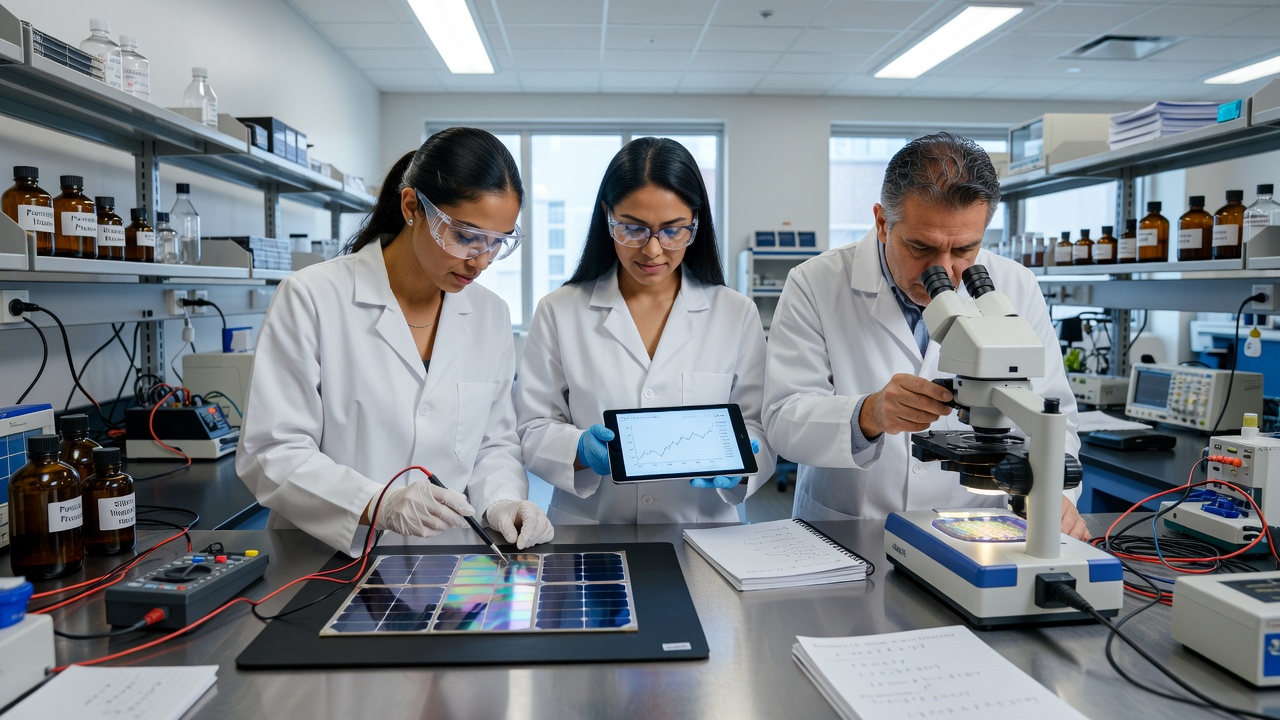
Bay Path University researchers have developed a new perovskite-silicon tandem solar cell achieving 28.5 percent efficiency. The project spanned two years and involved extensive testing under varied conditions. Collaboration with labs in Germany and Japan provided critical data on material performance.
Research Methodology and Findings
The team led by Dr. Anna Kowalski focused on improving light absorption while minimizing energy loss through innovative encapsulation methods. Over 500 prototypes were evaluated yielding consistent results above commercial averages of 22 percent. National grants and private funding supported the work allowing purchase of advanced simulation software. Engineering students contributed to prototype assembly gaining practical skills in photovoltaic design. Stability issues in humid environments were resolved via new polymer layers extending cell lifespan. International partners verified measurements using independent equipment confirming the efficiency gains. Detailed reports document every phase from initial modeling to field trials conducted on campus rooftops.
Potential Impact and Future Directions
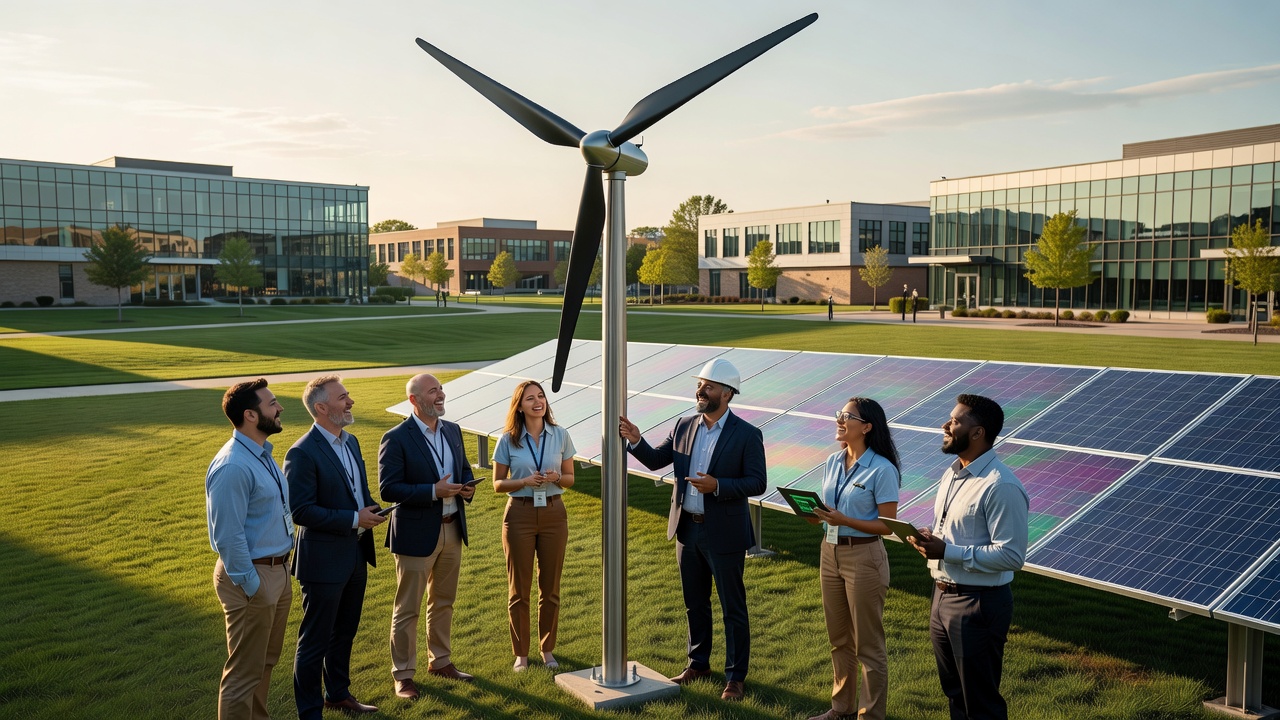
This advancement positions Bay Path as a leader in clean energy innovation with potential applications across European markets. Reduced production costs could lower barriers for residential and industrial solar adoption accelerating emission reductions. Licensing discussions with manufacturers have begun aiming for commercial rollout within three years. The university will host public workshops explaining the technology benefits and installation basics. Additional studies target wind turbine materials and geothermal systems as part of expanded sustainability efforts. Open publication of core findings encourages broader scientific progress while protecting proprietary elements. Long-term monitoring stations will track performance in Polish climate conditions providing ongoing validation data. This success underscores Bay Path commitment to applied research addressing global energy challenges through rigorous scientific methods and student involvement.